
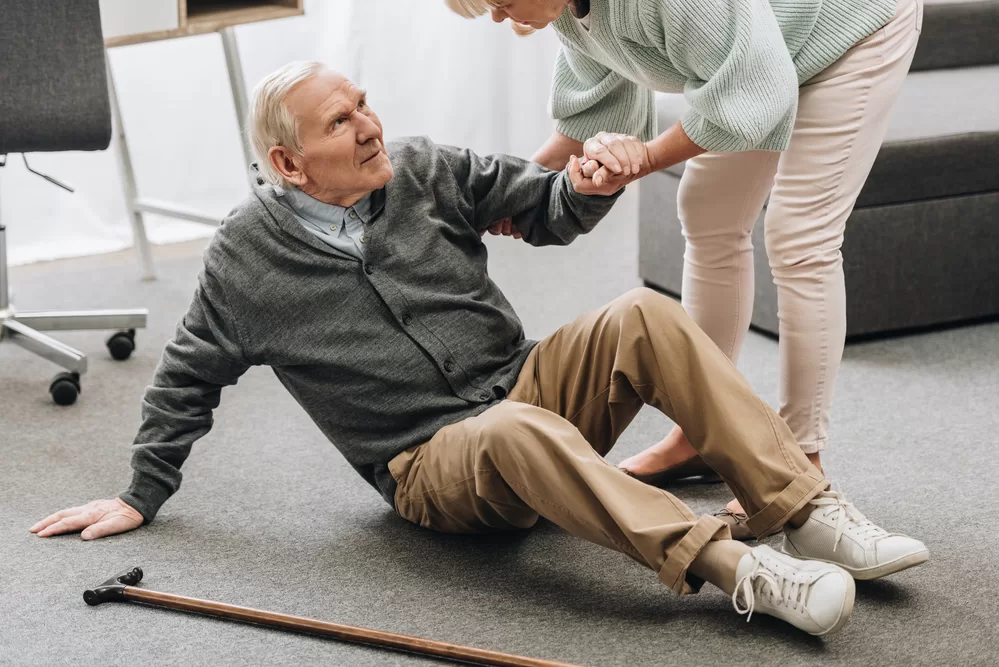
Falls and trips. Your life might be drastically altered by a small mishap like sliding on a wet floor or tripping over a rug. Thousands of senior citizens suffer broken bones as a result of falls every year. A broken bone in an elderly person might potentially be the beginning of more significant health issues and result in permanent incapacity.
You are not alone if you or an older adult in your life has fallen. Every year, more than one in four adults 65 years of age or older fall. With age comes an increased risk of falling and fall-related issues. Many falls, though, are avoidable. You can take actions to prevent falls, such as exercising, taking care of your prescriptions, getting your vision checked, and making your home safer.
Even if they have never fallen before, a lot of older persons are afraid of falling. They could refrain from engaging in social events, going shopping, or going for walks as a result of this dread. However, maintaining an active lifestyle is crucial for maintaining good health and can even assist prevent falls. Therefore, don’t let your fear of falling prevent you from exercising! To feel more at ease keeping active, educate yourself on the factors that contribute to falls and how to reduce your own risk of falling.
What causes falls and trips in older adults?
- It’s possible that your hearing, reflexes, and vision are not as good as they were when you were younger.
- A fall might result from certain medical diseases that impact your balance, such as diabetes, heart illness, thyroid issues, nerve difficulties, foot issues, or blood vessel issues.
- Incontinence and other conditions that necessitate hurried toilet breaks might further raise the risk of falling.
- Elderly people who have specific forms of dementia or mild cognitive impairment are more likely to fall.
- Fall risk factors include sarcopenia, an age-related decrease of muscle mass, balance and gait issues, and postural hypotension, or blood pressure that drops too high when you get up from a sitting or laying position.
- You run a higher risk of falling if you have painful feet or if you wear dangerous shoes like high heels or backless shoes.
- Some drugs have adverse effects including confusion or dizziness, which can make a person more likely to fall. Your risk of falling increases with the number of medications you take.
- Fall prevention measures in the home and community can also be effective.
Steps to take to prevent falls and trips
You may be less likely to fall if you maintain good general health. Most of the time, accidents and falls are not random occurrences. The following advice will help reduce your chance of fractures, often known as fractured bones, and falls:
- Continue your physical activity. Create a fitness regimen that suits your needs. Frequent exercise strengthens your muscles and increases your strength. Exercise also maintains the suppleness of your ligaments, tendons, and joints. Walking and ascending stairs are examples of mild weight-bearing exercises that can help decrease the loss of bone caused by osteoporosis, a condition that weakens and increases the risk of bone fractures.
- Try some strength and balance training. Pilates, tai chi, and yoga can all help with balance and muscular strength. To increase your strength, you can also try lifting weights or utilising resistance bands. Find out more about the many workouts that may be done to increase strength and balance.
- Make your house fall-proof. Take a look at these home improvement suggestions to make sure you stay safe and prevent falls.
- Get tests done on your hearing and sight. A higher risk of falls has been associated with even little alterations in hearing and vision. Give yourself some time to adjust to new contact lenses or spectacles. Follow your eye doctor’s advice when wearing contacts or glasses. Make sure your hearing aid fits properly and wear it if you have one.
- Learn about any negative effects associated with the medications you take. Inform your chemist or doctor if a medicine causes you to feel drowsy or lightheaded.
- Make time to sleep. You are more prone to fall when you are fatigued.
- Refrain from or use alcohol sparingly. Drinking too much alcohol can cause falls and balance issues, which can cause fractures to the arms or hips among other ailments.
- Get to your feet carefully. Your blood pressure may drop if you stand up too soon. That may give you a shaky feeling. Check your blood pressure both standing and lying down.
- If you require assistance feeling steady as you walk, use an assistive device. Falls can be avoided by properly using walkers and canes. If your physician advises you to use a walker or cane, make sure it fits properly. Walker wheels ought to move smoothly. Ask your healthcare professional to confirm that any walking aids you borrow from friends are safe to use and the right size. This is especially crucial if you’re strolling in unfamiliar territory or in places with uneven walkways. In addition to teaching you how to use gadgets properly, a physical or occupational therapist can assist you in determining which devices could be useful.
- Walk with extreme caution on ice or damp conditions. These can be quite slick! To remove ice from the areas near your doors and walkways, use sand or an ice melt product.
- Don’t use your hands. Carry a backpack, fanny pack, or shoulder bag to free up your hands to grip railings.
- Select appropriate footwear. Wear nonskid, low-heeled shoes with rubber soles to provide complete support for your feet. Never use socks, slippers, or shoes with smooth soles while climbing stairs or walking on floors.
- When the weather is awful, think about remaining inside. Prescriptions and groceries are delivered by some community services around-the-clock, and many also accept orders over the phone.
- Even if you were not hurt when you fell, you should still report any falls to your doctor if you have had any after your last examination. A fall may reveal to your doctor undiagnosed medical conditions, drug interactions, or correctable vision problems. To help you avoid falling in the future, your doctor can advise physical therapy, a walking aid, or other measures.
What to do if you fall and trip
A sudden fall, at home or elsewhere, can be disconcerting and frightening. If you do fall, try not to panic and follow these instructions:
- Inhale. Try to calm down by taking several deep breaths. For a little while, just stay motionless on the ground or floor. This will assist you in overcoming the trauma of your fall.
- Assess if you are injured. An injury may worsen if you stand up too soon or incorrectly.
- Grab onto a supportive chair. Roll onto your side if you believe you can get up securely on your own. Return to rest as your blood pressure and body normalise. Gradually rise to your hands and knees and make your way to a firm chair.
- Take a seat in the chair slowly. Slide one foot forward so that it is flat on the floor and place your hands on the chair’s seat. To keep the knee on the floor, keep the other leg bent. Rise slowly from your kneeling position, then pivot to sit in the chair.
- Seek assistance. Ask for assistance if you are harmed or unable to stand up for yourself, or dial 911. If you’re alone yourself, make an effort to settle in and bide your time until assistance comes. A fully charged cell phone or cordless phone should always be carried, and you should make plans to speak with a family member or friend every day to help you prepare for a fall. Systems for emergency response are an additional choice. With these devices, you can request assistance by pressing a button on a customised bracelet or necklace. This feature is also present in several smartwatches.
Keep your bones strong to avoid fractures from falls and trips.
While having strong bones won’t guarantee that you won’t fall, they can lessen the chance of suffering a major injury like fracturing a hip or other bone. Broken or fractured bones may require hospitalisation, long-term care, or possibly result in death. Maintaining strong bones can be achieved by getting adequate calcium and vitamin D. Maintaining an active lifestyle can also help. Aim for 150 minutes or more of physical activity per week.
Reducing or abstaining from alcohol consumption and stopping smoking are two other strategies to preserve bone health. Use of alcohol and tobacco can reduce bone mass and raise the risk of fractures. Try to keep your weight within a healthy range as well. Breaking and losing bone is more likely in underweight people.
The illness known as osteoporosis causes the bones to deteriorate, becoming fragile and thin. People who have osteoporosis may find it unsafe to tumble even slightly. Consult your physician about osteoporosis.
Older persons frequently visit emergency rooms and stay in hospitals as a result of falls. A large number of these hospital visits are for fractures caused by falls. Maintaining the strength of your bones and avoiding falls by using the above advice will help reduce your chance of fractures.