
As we age, our bones may become weaker, but that doesn’t mean we’re powerless to prevent it. By understanding the essential nutrients, making smart dietary choices, engaging in physical activity, and adopting healthier lifestyle habits, we can maintain and even improve our bone strength. This article explores practical steps to achieving the strong bones you want, regardless of your age.
Key Takeaways
- Adequate intake of calcium and vitamin D is crucial for building strong bones and ensuring the body can absorb calcium effectively.
- Eating a balanced diet rich in minerals and vitamins, including magnesium and vitamins A, C, D, and K, supports bone health and may reduce the risk of osteoporosis.
- Physical activity, especially exercises that build muscle strength, can contribute to higher bone mineral density and stronger bones.
- Lifestyle choices such as limiting alcohol, avoiding smoking, and managing stress play a significant role in preserving bone density and overall bone health.
- Understanding your bone-health profile, including risk factors for osteoporosis and the benefits of bone density testing, can help you create a personalized plan for maintaining strong bones.
Essential Nutrients for Bone Strength
The Role of Calcium in Bone Health
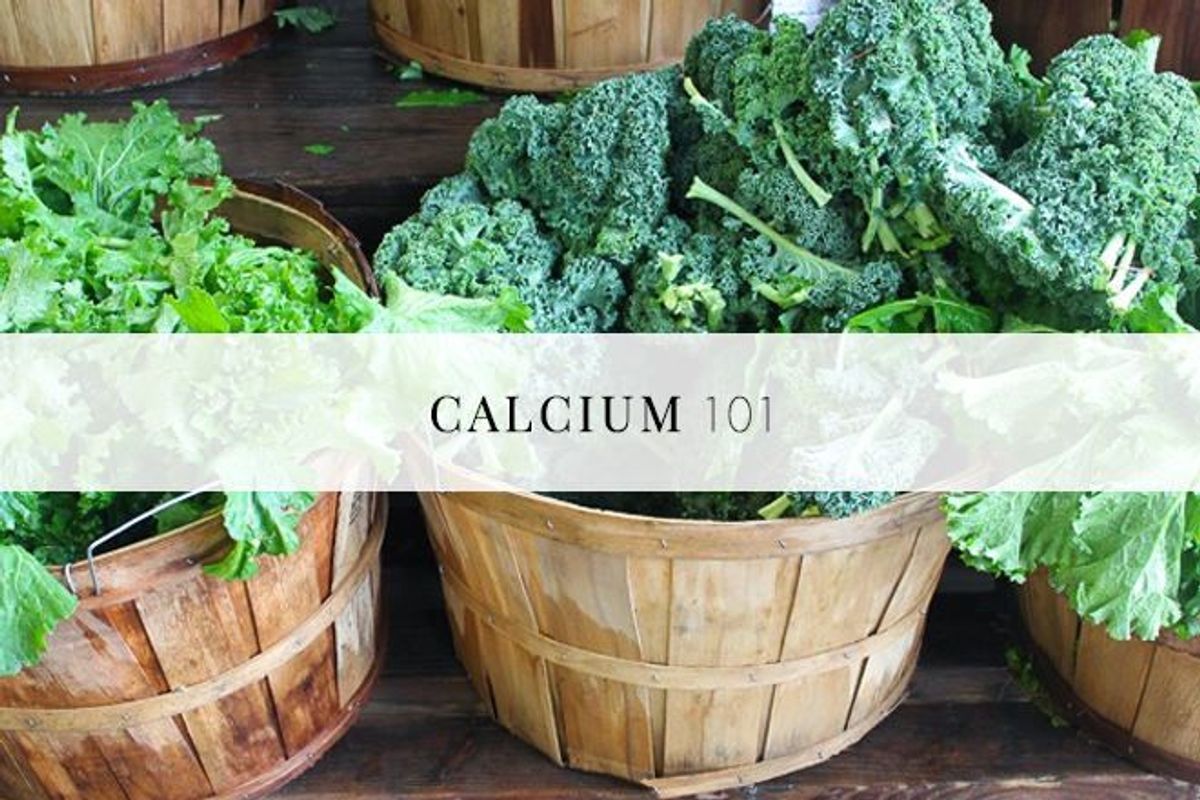
Calcium is the cornerstone of a strong skeletal structure, with nearly all of the body’s reserves stored in the bones. Adequate calcium intake is crucial for maintaining bone density and preventing disorders like osteoporosis.
Dietary sources of calcium are varied, with dairy products such as milk, yogurt, and cheese being among the most well-known. However, it’s important to note that not everyone consumes dairy, and there are other ways to ensure sufficient calcium intake.
- Dairy products: milk, yogurt, cheese
- Leafy greens: kale, broccoli
- Fish with bones: sardines, salmon
- Fortified foods: certain cereals, juices
Ensuring a consistent intake of calcium-rich foods is essential for bone health, especially as the body cannot produce calcium on its own. It’s also vital for the regulation of muscle function and nerve signaling.
Women between the ages of 51 to 70 are recommended to consume 1,200 mg of calcium per day according to the National Institutes of Health. While dietary sources are preferred, supplements can be considered when dietary intake is insufficient.
Vitamin D: The Sunshine Vitamin
Vitamin D stands out as a critical nutrient for maintaining strong bones, primarily because it facilitates the absorption of calcium, the cornerstone of bone health. People with sufficient Vitamin D levels absorb significantly more calcium than those with a deficiency, which can lead to stronger bones and a lower risk of osteoporotic fractures.
Exposure to sunlight triggers the body’s synthesis of Vitamin D, making it unique among vitamins. However, factors such as geographic location, skin pigmentation, and lifestyle can influence the body’s ability to produce enough of this essential nutrient. For those who cannot rely on sun exposure, dietary sources and supplements become crucial.
Adequate intake of Vitamin D is essential for optimal calcium absorption and bone health. Without it, the risk of bone fractures increases, especially in populations prone to lower levels of this nutrient.
To ensure you’re getting enough Vitamin D, consider the following steps:
- Spend 10 to 30 minutes in direct sunlight several times a week.
- Include Vitamin D-rich foods in your diet, such as fatty fish, fortified milk, and eggs.
- Discuss with your healthcare provider the possibility of Vitamin D supplementation, especially if you live in areas with limited sunlight or have dietary restrictions.
Magnesium and Other Vital Minerals
Magnesium is not just a mineral; it’s a cornerstone for bone health, playing a crucial role in bone development and structure. It ensures that calcium is effectively absorbed and utilized, and it’s essential for the activation of Vitamin D, which is vital for bone health. Magnesium is also involved in over 300 biochemical reactions in the body, highlighting its importance beyond just the skeletal system.
In addition to magnesium, other minerals like phosphorus and zinc also contribute to bone strength. Phosphorus works closely with calcium to build strong bones and teeth, while zinc is necessary for bone tissue renewal and mineralization. A deficiency in these minerals can lead to weakened bones and an increased risk of fractures.
Ensuring an adequate intake of these vital minerals is key to maintaining bone density and overall health. A balanced diet rich in these nutrients is the best approach to support your skeletal system.
Foods rich in magnesium include nuts, leafy greens, beans, and the ever-popular dark chocolate. Here’s a list of some magnesium-rich foods to incorporate into your diet:
- Spinach
- Legumes
- Nuts
- Seeds
- Whole grains
Remember, about half of your body’s magnesium is stored in your bones, serving as a reservoir to maintain blood levels in times of need.
Dietary Choices for Healthy Bones

Balanced Diet for Bone Density
A balanced diet is crucial for maintaining strong bones and preventing conditions like osteoporosis. Essential minerals such as calcium and magnesium, along with vitamins A, C, D, and K, play a significant role in bone health. Incorporating a variety of nutrient-rich foods can help ensure you’re getting these vital components.
To support bone health, focus on including foods that are high in bone-building nutrients. This not only aids in maintaining bone density but also contributes to overall well-being.
For those diagnosed with osteopenia or osteoporosis, or for individuals looking to speed bone healing after a fracture, a combination of diet and supplements may be beneficial. While a healthy diet is foundational, supplements can provide balanced levels of nutrients in their most bioavailable forms.
Here’s a list of key nutrients and some food sources that are beneficial for bone health:
- Calcium: dairy products, fortified plant milks, and dark leafy greens like kale and turnip greens
- Magnesium: nuts, seeds, whole grains, and leafy vegetables
- Vitamin D: fatty fish, egg yolks, fortified foods, and sunlight exposure
- Vitamin K: green leafy vegetables, such as kale and spinach, and fermented foods
Remember, alongside a balanced diet, engaging in strength-building exercises is also essential for bone health.
Foods to Fortify Your Skeleton
To maintain strong bones and prevent conditions like osteoporosis, incorporating certain foods into your diet is crucial. Both dairy and non-dairy sources are abundant in bone-strengthening nutrients such as calcium and vitamin D.
A balanced diet, rich in minerals and vitamins, supports bone health effectively.
Here’s a list of foods that can help fortify your skeleton:
- Dairy products like milk, cheese, and yogurt for calcium.
- Fatty fish such as salmon for vitamin D, which aids in calcium absorption.
- Leafy green vegetables for vitamin K, essential for bone formation.
While a diet rich in these nutrients is fundamental, some individuals may benefit from dietary supplements, especially if they have increased needs or dietary restrictions.
Supplements: Are They Necessary?
While a balanced diet is the cornerstone of bone health, supplements may play a supportive role for those who find it challenging to meet their nutritional needs through food alone. The decision to include supplements in your regimen should be made with careful consideration and professional guidance.
Supplements can interact with medications and should be taken as directed to ensure effectiveness. It’s crucial to understand the synergistic effect of nutrients, as some are essential for the absorption of others.
Here’s a list of key nutrients often found in supplements aimed at supporting bone health:
- Calcium
- Magnesium
- Vitamin D3
- Vitamin K
- Zinc
- Manganese
- Boron
Remember to consult with a healthcare provider to tailor supplement use to your individual needs and to avoid potential interactions with foods or medications.
Physical Activity: A Pillar of Bone Health

Exercise Types That Boost Bone Strength
Incorporating a variety of exercises into your routine is crucial for optimal bone health. Activities such as brisk walking, climbing stairs, and dancing not only improve cardiovascular health but also promote bone strength due to their weight-bearing nature. Resistance exercises, including the use of bands and weight lifting, apply beneficial pressure on bones, enhancing their density and resilience.
Engaging in regular physical activity is essential for bone formation, as bones develop in response to stress. Weight-bearing exercises like hiking and dancing are excellent choices, and incorporating light weights or elastic bands can further benefit the bones in the upper body.
It’s recommended to perform aerobic exercises for at least 2.5 hours weekly and resistance exercises at least twice a week. While non-weight-bearing exercises such as swimming are beneficial for overall health, they lack the gravitational challenge necessary to stimulate new bone growth. Starting an exercise regimen at any age can aid in the prevention of bone loss, ensuring a healthier skeletal system.
The Connection Between Muscles and Bones
The intricate relationship between muscles and bones is fundamental to our body’s structure and movement. Muscles exert force on bones, which in turn stimulates bone growth and strength. This dynamic interaction is crucial for maintaining bone density and overall skeletal health.
A study by Johns Hopkins highlighted the importance of muscle strength in bone health. Participants with greater muscle strength had a significantly lower risk of experiencing low bone mineral density. This suggests that regular physical activity, which builds muscle, can also enhance bone fortification.
- Muscle strength is linked to higher bone density.
- Physical activity that stresses bones can lead to stronger bones.
- A balanced approach to exercise can optimize muscle and bone health.
Engaging in weight-bearing exercises not only builds muscle mass but also encourages the bones to produce more tissue, leading to increased bone density and strength.
Safe Exercise Practices for Osteoporosis Prevention
Incorporating a variety of exercises into your routine is crucial for bone health and preventing falls. Weight-bearing exercises, such as brisk walking, climbing stairs, and dancing, are particularly beneficial as they force your bones and muscles to work against gravity, thereby stimulating bone growth.
Resistance training, using equipment like weights or resistance bands, is also important for upper body bone strength. It’s recommended to engage in aerobic exercises for at least 2.5 hours per week and resistance exercises at least twice a week.
While exercises like swimming are excellent for overall health, they are not as effective for bone strengthening since they do not involve weight-bearing activities.
Safety should always be a priority, especially for those at risk of osteoporosis. Here are some tips to ensure safe exercise practices:
- Start with light activities and gradually increase intensity.
- Use proper equipment and footwear to reduce injury risk.
- Consider balance exercises to enhance stability and prevent falls.
- Consult with a healthcare professional before beginning any new exercise regimen.
Lifestyle Adjustments for Bone Preservation

The Impact of Alcohol and Smoking on Bones
Excessive alcohol consumption and smoking have detrimental effects on bone health. Nicotine slows the production of new bone cells, and smoking is associated with a higher risk for osteoporosis and fractures. Similarly, heavy drinking can lead to decreased bone density and mass, potentially resulting in weakened bones.
While moderate alcohol consumption shows mixed results in research, heavy drinking is clearly harmful to bone health. Phytochemicals in certain alcoholic beverages, like the polyphenols in grape skins, may have a positive impact, but more research is needed to confirm these benefits.
It’s crucial to be aware of the risks and to consider lifestyle changes to mitigate these effects. Here are some key points to remember:
- Smoking can contribute to your risk of developing osteoporosis.
- Heavy drinking decreases bone density and mass.
- Certain alcoholic beverages might offer benefits, but the evidence is not conclusive.
- Quitting smoking and limiting alcohol intake are positive steps towards maintaining bone health.
Sun Exposure and Bone Health
Sunlight is a natural source of vitamin D, which is crucial for bone health. Our skin synthesizes vitamin D when exposed to UVB rays, aiding in the absorption of calcium and phosphorus—minerals essential for strong bones. Moderate sun exposure can therefore play a significant role in maintaining bone density and preventing osteoporosis.
However, the amount of sun exposure needed can vary based on geographic location, skin type, and time of year. For individuals in northern latitudes or those with limited sun exposure, vitamin D supplementation might be necessary to achieve optimal levels.
- Aim for 10 to 15 minutes of sun exposure several times a week.
- During winter months or in less sunny regions, consider vitamin D supplements.
- Always balance sun exposure with skin cancer risk and use sunscreen as needed.
While sun exposure is beneficial for vitamin D synthesis, it’s important to avoid overexposure which can lead to skin damage and increased risk of skin cancer. Personalizing your sun exposure and vitamin D intake is key to bone health without compromising skin safety.
Stress Management and Hormonal Balance
Managing stress is crucial for maintaining hormonal balance, which in turn is essential for bone health. Chronic stress can lead to hormonal imbalances, affecting the body’s ability to absorb and retain calcium. This can have a direct impact on bone density and overall bone strength.
Hormones like cortisol, produced during stress, can interfere with bone-building processes. It’s important to adopt stress-reduction techniques such as mindfulness, regular exercise, and adequate sleep to support hormonal health and by extension, bone health.
Incorporating relaxation practices into your daily routine can help mitigate the effects of stress on your bones:
- Practice deep breathing exercises
- Engage in regular physical activity
- Ensure consistent, quality sleep
- Consider yoga or meditation
- Maintain social connections for emotional support
Understanding Your Bone-Health Profile
Risk Factors for Osteoporosis
Understanding the risk factors for osteoporosis is crucial for prevention and early intervention. Age is a significant factor; as we grow older, our bones naturally lose density. Women are particularly at risk, especially post-menopause, due to hormonal changes that accelerate bone loss.
Certain lifestyle choices and medical conditions also contribute to the risk:
- Inadequate calcium and vitamin D intake
- Sedentary lifestyle lacking weight-bearing exercises
- Smoking and excessive alcohol consumption
- Family history of osteoporosis
- Being underweight or having a history of eating disorders
- Long-term use of certain medications, such as corticosteroids
It’s important to recognize that while some risk factors like age and genetics are unchangeable, others are within our control. By addressing modifiable risks, we can take proactive steps towards maintaining bone health.
Men are not immune to osteoporosis; low testosterone levels can increase their risk. Additionally, certain ethnicities, such as Caucasian and Asian descent, are associated with higher susceptibility. Regular bone density testing can help monitor bone health, especially for those with multiple risk factors.
Bone Density Testing and Monitoring
Understanding your bone density is crucial for preventing osteoporosis and fractures. A DEXA scan is the gold standard for measuring bone mineral content and density. This non-invasive test uses low-radiation to assess bone strength in critical areas like the spine and hip, providing a clear picture of your bone health.
The results of a DEXA scan not only confirm a diagnosis of osteoporosis but also predict future fracture risks and monitor the rate of bone loss. It’s an essential tool for evaluating treatment effectiveness.
For those diagnosed with osteoporosis, periodic DEXA scans, typically every two years, are recommended to track treatment progress. Here’s a quick guide on when to consider bone density testing:
- All women aged 65 and older
- Women aged 50 to 64 with risk factors
- Individuals with a history of fractures
- Those with a family history of osteoporosis
Early detection through regular monitoring can lead to timely interventions, significantly reducing the risk of debilitating fractures.
Creating a Personalized Bone Care Plan
Developing a personalized bone care plan is crucial for maintaining bone health tailored to your individual needs. This plan should consider your lifestyle, dietary habits, and any risk factors for bone-related diseases.
- Assess your risk factors: Understand your personal risk for bone conditions like osteoporosis by considering family history, age, and hormonal status.
- Dietary adjustments: Incorporate bone-strengthening nutrients into your meals, focusing on calcium, vitamin D, and magnesium.
- Exercise regimen: Include weight-bearing and muscle-strengthening exercises that are appropriate for your age and physical condition.
- Lifestyle changes: Minimize bone health risks by reducing alcohol consumption, quitting smoking, and managing stress effectively.
A well-structured care plan can help you avoid the costs and complications associated with bone diseases, ensuring a healthier future.
Regular monitoring and adjustments to the plan are essential as your circumstances and health status change over time. Collaboration with healthcare professionals can provide additional support and guidance in creating an effective strategy for bone preservation.
Conclusion
In conclusion, strong bones are not just a gift of youth; they are a lifelong commitment to health and well-being. By understanding the importance of calcium and vitamin D, maintaining a balanced diet, engaging in regular bone-building exercise, and avoiding detrimental habits like smoking and excessive alcohol consumption, you can significantly enhance your bone strength at any age. Remember, it’s never too late to start taking care of your bones. Whether you’re looking to prevent osteoporosis or simply aiming for a sturdier frame, the power to build and maintain strong bones lies in your hands. Embrace these practices, and you’ll be well on your way to the strong bones you desire.
Frequently Asked Questions
Can I prevent weak bones as I age?
Yes, you don’t have to accept weak bones as an inevitable part of aging. By getting your daily requirement of calcium and vitamin D, maintaining a balanced diet, and engaging in regular physical activity, you can strengthen your bones and prevent osteoporosis.
What nutrients are essential for bone strength?
Calcium and vitamin D are crucial for building strong bones, as vitamin D helps your body absorb calcium. Other important nutrients include magnesium, vitamins A, C, K, and minerals that contribute to bone density.
What types of foods should I eat to fortify my skeleton?
Eating a balanced diet that includes foods rich in calcium, magnesium, and vitamins A, C, D, and K will support strong bones. Dairy products, leafy greens, nuts, and fish are examples of bone-fortifying foods.
Are dietary supplements necessary for bone health?
While many people can get the necessary vitamins and minerals from their diet, some may benefit from dietary supplements, especially if they have a deficiency or are at higher risk for bone diseases.
How does physical activity contribute to bone health?
Physical activities like walking, jogging, dancing, and weightlifting can strengthen your bones. Muscle strength is linked to bone health, as stronger muscles can help maintain and improve bone density.
What lifestyle changes can help preserve bone health?
To preserve bone health, limit alcohol intake, avoid smoking, ensure adequate sun exposure for vitamin D synthesis, and manage stress effectively. These lifestyle adjustments can significantly impact your bone density and overall bone health.
Fantastic site Lots of helpful information here I am sending it to some friends ans additionally sharing in delicious And of course thanks for your effort
You actually make it seem really easy with your
presentation but I to find this topikc to be really one
thing that I think I ight by no means understand. It kind of feels
too complex and extremely bropad for me. I’m lookjing forward in your
subsequent put up, I will aattempt to get the cling
of it! https://WWW.Waste-Ndc.pro/community/profile/tressa79906983/