
Air pollution is an invisible killer that poses a significant threat to lung health. This article delves into the various aspects of how pollution affects our respiratory system, the populations most at risk, and the actions we can take to mitigate its impact. We explore the statistics, types, and sources of air pollution, as well as the socioeconomic factors that contribute to health disparities. Understanding these elements is crucial for protecting lung health and ensuring cleaner air for all.
Key Takeaways
- Air pollution contributes significantly to respiratory diseases, including a high percentage of deaths from lung cancer, COPD, heart disease, and stroke.
- Children, low-income communities, minorities, and chronic lung disease patients are disproportionately affected by air pollution, facing lifelong health challenges and increased risks.
- Indoor and outdoor air pollution, defined by the WHO, consists of various chemical, physical, or biological agents that can lead to severe health issues like asthma and lung cancer.
- Air quality indices are vital tools for public awareness and health protection, indicating the presence of major pollutants and their effects on lung health.
- Global and local initiatives, along with advancements in air purification technology and strategies to reduce exposure, are essential to promote lung health and combat pollution.
The Devastating Effects of Air Pollution on Lung Health

Link Between Air Pollution and Respiratory Diseases
The link between air pollution and respiratory diseases is well-established, with numerous studies highlighting the direct impact of pollutants on lung health. Addressing air pollution is crucial for examining a causal factor of many respiratory conditions and adopting a preventive approach. Without this shift, our ability to achieve global non-communicable disease reduction targets is severely limited.
Exposure to air pollution increases the risk of developing conditions such as asthma, lung cancer, and heart disease. It exacerbates symptoms for those with chronic lung diseases and is a recognized human carcinogen.
Children are particularly vulnerable, as exposure to polluted air can lead to long-term morbidity and higher health system costs. The lifelong consequences of air pollution exposure are significant, translating into long-term health issues.
Here are some quick facts about air pollution and lung health:
- 1 in 3 deaths from stroke, lung cancer, and heart disease are related to air pollution.
- 7 million people worldwide die from conditions related to air pollution each year.
- Polluted air particles can enter your bloodstream and cause heart and respiratory diseases.
- Children who grow up in areas with polluted air are more likely to have reduced lung growth.
Statistics on Air Pollution-Related Mortality
The World Health Organization (WHO) has highlighted the severe consequences of air pollution, associating it with approximately 7 million premature deaths annually. This staggering figure underscores the urgent need for global attention to the quality of the air we breathe.
The breakdown of deaths attributable to air pollution-related diseases is alarming:
- 29% from lung cancer
- 43% from chronic obstructive pulmonary disease (COPD)
- 25% from ischaemic heart disease
- 24% from stroke
As air quality is predicted to worsen, the negative impact on health is expected to intensify, highlighting the critical need for immediate action to mitigate this global health crisis.
In the United States, a recent report indicates that over 131 million people were living in areas with unhealthy levels of air pollution between 2020 and 2022. This represents an increase of nearly 12 million individuals compared to the previous year, with a record number of ‘very unhealthy’ or ‘hazardous’ air quality days reported.
Long-Term Impact on Lung Function and Disease Progression
The insidious nature of air pollution manifests over time, often leading to a gradual decline in lung function and exacerbating the progression of respiratory diseases. Regular exposure to pollutants can result in chronic conditions such as asthma, COPD, and lung cancer, with the potential to significantly reduce quality of life and increase mortality.
Awareness of the negative impact of air pollution and direct action to reduce exposure can have a positive impact on lung health.
The relationship between air pollution and lung health is complex, involving a trade-off between exposure to pollutants and the benefits of physical activity. However, physical activity is associated with improved lung function, a slower decline in lung function, and lower mortality. This underscores the importance of mitigating pollution levels to safeguard the health benefits of exercise.
The following table summarizes the estimated annual deaths attributable to different types of air pollution:
| Type of Pollution | Estimated Annual Deaths |
|---|---|
| Indoor Air Pollution | 4.3 million |
| Outdoor Air Pollution | 3.7 million |
These figures highlight the critical need for global and local initiatives aimed at improving air quality and promoting lung health.
Vulnerable Populations: Who Suffers Most from Air Pollution?

Children and the Lifelong Burden of Polluted Air
Exposure to polluted air during childhood is not just a temporary concern but a critical factor that can shape the trajectory of a child’s health throughout their life. Two billion children globally are exposed to air that exceeds WHO standards, leading to a spectrum of adverse health outcomes. The impact of this exposure is profound, with evidence linking it to stunted lung growth, increased risk of respiratory infections, and the development of conditions such as asthma.
The lifelong consequences of air pollution exposure translate into long-term morbidity and higher health system costs.
Children’s vulnerability to air pollution is further highlighted by the range of symptoms and conditions it can exacerbate:
- Breathing problems
- Asthma attacks
- Difficulty breathing deeply
- Worsened asthma symptoms
- Decreased lung growth
- Reduced lung function
These issues not only affect the immediate well-being of children but also pose a risk for chronic health problems as they age. It is imperative that we address the sources of air pollution and implement strategies to protect our youngest and most susceptible populations.
Disproportionate Impact on Low-Income Communities and Minorities
The burden of air pollution does not fall equally across all segments of the population. Low-income communities and minorities often face higher levels of exposure to harmful pollutants, leading to greater health risks and challenges. This is a result of a combination of factors, including housing in close proximity to pollution sources and limited access to healthcare.
| Group | People Affected | Failing Grades for Pollution |
|---|---|---|
| People of color | 68.9 million | At least one failing grade |
| People in poverty | 16 million | At least one failing grade |
| Children & seniors | 29.2 million children, 20.6 million seniors | At least one failing grade |
The legacy of discriminatory practices such as redlining has contributed to these disparities, with historical policies still impacting the distribution of clean air today. The consequences are not just immediate but also long-term, affecting generations through a sustained cycle of health and socioeconomic disadvantages.
The stark reality is that the air we breathe is not the same for everyone. Those in economically disadvantaged positions are more likely to inhale air that is detrimental to their health, exacerbating existing conditions and potentially leading to new health issues.
Chronic Lung Disease Patients and Increased Health Risks
Individuals with chronic lung diseases such as asthma, COPD, and pulmonary fibrosis are at a heightened risk when exposed to air pollution. Long-term exposure to pollutants can exacerbate symptoms and accelerate the progression of these diseases. For patients with pre-existing lung conditions, even low levels of air pollution can be detrimental, leading to new or recurrent acute lower respiratory infections (ALRIs).
The interplay between chronic lung disease and air pollution is a critical public health concern. The pollutants that compromise lung health also contribute to broader health issues, including cardiovascular diseases and neurological disorders.
Patients with chronic lung diseases should be particularly vigilant about air quality. The U.S. Air Quality Index provides a tool for monitoring pollution levels and can be a valuable resource for managing health risks. The following table illustrates the significant impact of air pollution on mortality rates for various diseases:
| Condition | Percentage of Deaths Attributed to Air Pollution |
|---|---|
| Lung Cancer | 29% |
| COPD | 43% |
| Ischemic Heart Disease | 25% |
| Stroke | 24% |
As air quality continues to decline, the adverse effects on health are expected to intensify, especially for those with chronic lung conditions.
Understanding Air Pollution: Types, Sources, and Health Implications
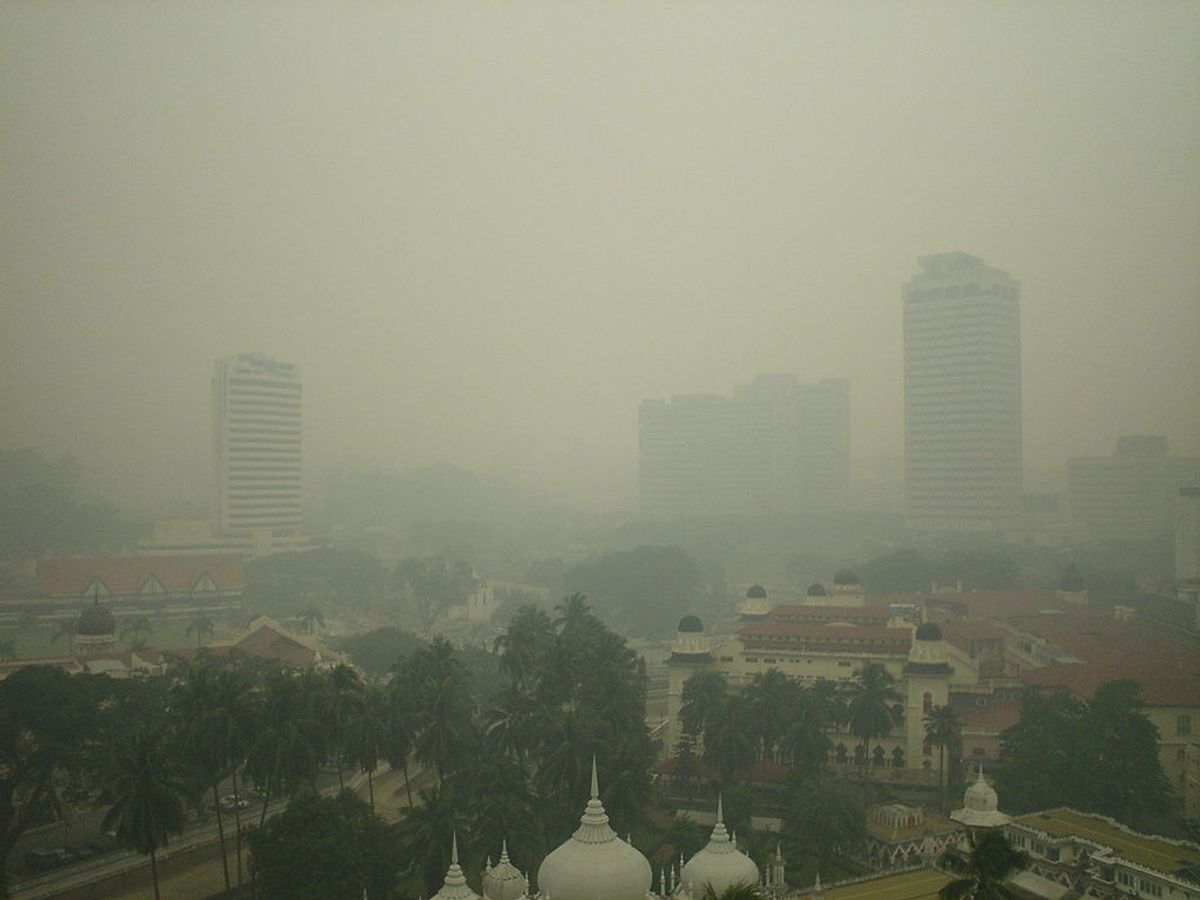
Defining Air Pollution: Indoor vs. Outdoor Contaminants
Air pollution, a significant threat to lung health, can originate from both indoor and outdoor environments. Indoor air pollution may arise from allergens, volatile organic compounds (VOCs), mold spores, and even household chemicals. These contaminants can exacerbate conditions like asthma and introduce risks such as carbon monoxide poisoning.
Outdoor air pollution, on the other hand, includes manmade sources like vehicle emissions and industrial byproducts, as well as natural sources such as wildfires. Breathing in fine particles and gases from these sources can irritate the lungs and lead to serious respiratory diseases.
It’s crucial to understand that indoor sources of air pollution not only compromise indoor air quality but also contribute to outdoor pollution levels. Effective management of indoor pollutants is essential for improving overall air quality.
Here are some common sources of indoor and outdoor air pollution:
- Indoor:
- Mold spores
- Dust mites
- Household chemicals
- VOCs
- Outdoor:
- Vehicle emissions
- Industrial emissions
- Natural sources (e.g., wildfires)
Major Pollutants and Their Effects on Lung Health
Air pollution encompasses a variety of contaminants that pose significant risks to lung health. Particulate matter (PM), nitrogen dioxide (NO2), sulfur dioxide (SO2), and ozone (O3) are among the major pollutants that can exacerbate respiratory diseases and lead to serious health conditions.
- Particulate Matter (PM): Often cited as the most harmful pollutant, PM can penetrate deep into the lungs and even enter the bloodstream, causing inflammation and exacerbating conditions like asthma and COPD.
- Nitrogen Dioxide (NO2): High levels of NO2 can irritate airways and lead to respiratory diseases, particularly in children.
- Sulfur Dioxide (SO2): SO2 can cause throat and eye irritation and aggravate asthma as well as other respiratory conditions.
- Ozone (O3): Ground-level ozone, formed from other pollutants in sunlight, can trigger a variety of health problems, including chest pain, coughing, throat irritation, and airway inflammation.
The burden of these pollutants is not distributed evenly, with vulnerable populations such as children, the elderly, and those with pre-existing lung conditions facing the greatest risks.
The statistics are alarming, with a significant percentage of deaths from lung cancer, COPD, and other cardiovascular diseases attributed to air pollution. As the air quality continues to deteriorate, the health implications become increasingly severe, underscoring the urgency for effective pollution control measures.
The Role of Air Quality Index in Public Health Awareness
The Air Quality Index (AQI) serves as a crucial tool for informing the public about current air pollution levels and associated health risks. Understanding the AQI readings is essential for individuals, especially those with respiratory conditions, to make informed decisions about their outdoor activities. Recent updates to the AQI provide more precise information, enabling people to better protect themselves on days with poor air quality.
Public health campaigns emphasize the importance of monitoring AQI values, as they directly correlate with the need for protective measures. For instance, an AQI above 100 signifies that air quality is unhealthy for sensitive groups, while values above 200 indicate hazardous conditions for all.
The integration of AQI into public health advisories has been instrumental in raising awareness and guiding behavior to minimize exposure to harmful pollutants.
Collaboration with health authorities and organizations is vital to enhance public understanding of air pollution’s impact and to promote strategies for reducing exposure. The table below summarizes key AQI thresholds and their implications for public health:
| AQI Range | Health Implications |
|---|---|
| 0-50 | Good |
| 51-100 | Moderate |
| 101-150 | Unhealthy for Sensitive Groups |
| 151-200 | Unhealthy |
| 201-300 | Very Unhealthy |
| 301+ | Hazardous |
The Intersection of Air Pollution and Health Inequity

Socioeconomic Factors and Access to Clean Air
Access to clean air is not distributed equally across different socioeconomic groups. Lower-income populations often reside in areas with higher pollution levels, both outdoors and indoors, due to factors such as proximity to industrial zones and inadequate housing conditions. This exposure exacerbates health disparities, particularly in respiratory health.
The intersection of socioeconomic status and air quality is stark, with evidence suggesting that people of color and those with lower educational levels face increased risks from air pollution. These communities are more likely to live in areas with poor air quality, leading to higher rates of pollution-related diseases.
The following table illustrates the disproportionate impact of air pollution on various communities:
| Community | Likelihood of Living in High Pollution Area | Prevalence of Chronic Conditions |
|---|---|---|
| People of color | 2.3 times more likely | Higher rates of asthma, diabetes, heart disease |
| Low-income individuals | – | More indoor air pollution from cooking, heating |
Efforts to address these disparities must consider the complex web of factors that contribute to unequal access to clean air.
Environmental Justice: The Struggle for Equitable Air Quality
Environmental justice seeks to address the unequal burden of air pollution faced by marginalized communities. The fight for clean air is not only about health but also about rectifying social inequalities.
- Leslie Vasquez, a clean air project organizer, highlights the daily suffocation experienced by communities in the South Bronx due to poor air quality.
- Initiatives like updated air filtration systems and community air monitoring networks aim to empower residents with better information and tools to combat pollution.
- Policy changes, such as regulating burn days and electrifying diesel-fueled vehicles, are critical steps toward reducing emissions and improving air quality in affected areas.
The collaborative efforts to educate and equip residents with asthma in pollution-stricken areas represent a beacon of hope. These actions, along with shifts in public policy, are essential in the pursuit of environmental justice and healthier communities.
Policy Initiatives to Address Health Disparities Caused by Air Pollution
To effectively combat the health disparities caused by air pollution, a multifaceted approach is essential. National decision-makers must prioritize air quality by incorporating WHO guidelines and fostering international cooperation. This includes securing technical and financial resources to enhance air quality and engaging health systems to educate the public on the risks of air pollution.
- Take WHO air quality guidelines into account
- Collaborate with regional and international organisations
- Encourage health systems to raise awareness
The burden of air pollution is not distributed equally, with minority groups often facing the brunt of its impact. Addressing this requires not only policy changes but also a shift towards preventive health strategies.
Empowering communities, particularly those of color, is crucial for environmental health. A grassroots approach to building community capacity can lead to meaningful change and reduce health disparities.
Mitigating the Impact of Air Pollution on Lung Health

Strategies for Reducing Exposure to Harmful Pollutants
Reducing exposure to harmful pollutants is essential for protecting lung health. Interdisciplinary collaboration is crucial in addressing the multifaceted challenges posed by air pollution. The World Health Assembly emphasized the need for national decision-makers to take concerted action.
To minimize indoor air pollution, consider the following steps:
- Ensure proper ventilation to dilute indoor contaminants.
- Regularly clean and maintain air filters in heating and cooling systems.
- Use air purifiers to remove particulate matter and other pollutants.
- Avoid the use of tobacco products and limit the use of candles and wood stoves.
Exposure to clean air is a fundamental right, and individual actions can contribute significantly to achieving healthier living environments.
Outdoor air quality can also be improved by supporting policies that promote clean energy and reduce emissions from vehicles and industrial sources. Awareness and proactive measures are key to mitigating the adverse effects of air pollution on lung health.
Advancements in Air Purification and Pollution Control Technologies
The battle against air pollution has seen significant technological advancements in recent years. Innovations in air purification and pollution control are pivotal in mitigating the adverse effects of contaminants on lung health. These technologies range from sophisticated filters that capture fine particulate matter to systems that reduce harmful emissions at their source.
The integration of smart technology into air quality management has enabled real-time monitoring and more efficient response strategies, marking a leap forward in our ability to safeguard respiratory health.
Recent developments include:
- Enhanced HEPA filters capable of trapping ultrafine particles
- Photocatalytic oxidation (PCO) systems that neutralize volatile organic compounds (VOCs)
- Low-emission zones and congestion charges in urban areas to limit vehicle pollutants
- Implementation of stricter emission standards for industries
While progress is evident, the journey towards clean air is ongoing. The Ambient Air Quality Directive in Europe, aiming for zero air pollution by 2050, exemplifies the ambitious goals set to protect public health. However, the persistence of air pollution as a major health risk underscores the need for continued innovation and policy enforcement.
The Importance of Global and Local Initiatives in Promoting Lung Health
The concerted efforts of global and local initiatives are crucial in the fight against air pollution and its detrimental effects on lung health. Collaboration across borders and communities is essential to implement effective strategies that can lead to significant improvements in air quality and, consequently, respiratory health.
Interdisciplinary collaboration and adherence to WHO air quality guidelines are the cornerstones of a robust approach to mitigating air pollution.
Key actions include:
- Taking WHO air quality guidelines into account
- Collaborating with regional and international organizations to promote access to technical and financial resources
- Encouraging health systems and authorities to raise awareness and educate on the impact of air pollution
The World Health Assembly in 2015 emphasized the need for national decision-makers to engage in such collaborative efforts to address the health implications of air pollution. By prioritizing improvements in air quality, we can reduce the risk of lung cancer and other respiratory diseases, ensuring a healthier future for all.
Conclusion
The evidence is clear: air pollution poses a significant threat to lung health, contributing to a range of serious conditions from asthma to lung cancer. With millions of deaths annually linked to both indoor and outdoor air pollution, it is a global health crisis that demands urgent attention. Vulnerable populations, including children, the elderly, and those with pre-existing lung diseases, are at heightened risk, as are communities with lower incomes and people of color. As air quality is projected to deteriorate further, the need for immediate and sustained action becomes more pressing. By raising awareness and implementing measures to improve air quality, we can mitigate the adverse health effects of pollution and protect future generations from its harmful impact. This Earth Day, let us commit to cleaner air for healthier lungs and a more equitable world.
Frequently Asked Questions
What percentage of lung cancer deaths are attributed to air pollution?
Approximately 29% of lung cancer deaths are related to air pollution.
How does air pollution impact children’s lung health?
Children exposed to polluted air are more likely to experience reduced lung growth and development, which can lead to long-term health issues.
What are the major pollutants that affect lung health?
Major pollutants include particulate matter, nitrogen oxides, sulfur dioxide, ozone, and volatile organic compounds, all of which can have detrimental effects on lung health.
How does air pollution contribute to health inequities?
Air pollution disproportionately affects low-income communities, minorities, and those with pre-existing lung conditions, exacerbating health disparities.
What technologies are available to mitigate the impact of air pollution on lung health?
Advancements in air purification and pollution control technologies, such as HEPA filters and emission reduction systems, help mitigate the impact of air pollution.
What can individuals do to reduce their exposure to harmful air pollutants?
Individuals can reduce exposure by staying informed about air quality indexes, using air purifiers at home, avoiding outdoor activities during high pollution periods, and supporting policies aimed at reducing emissions.