
Cholesterol – healthy eating tips
What is cholesterol ?
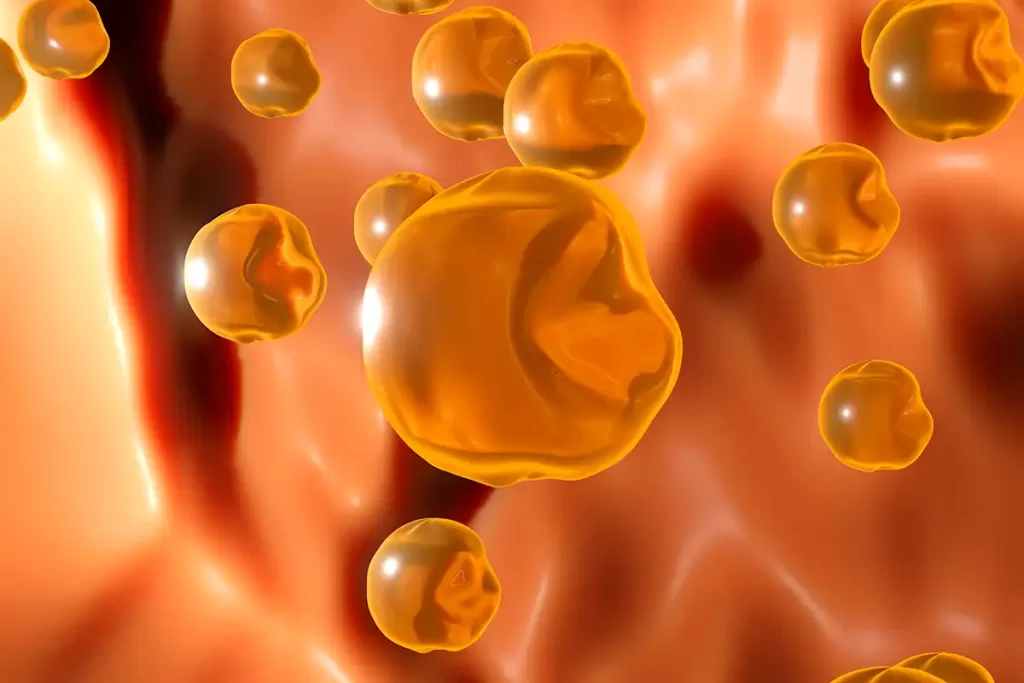
Your blood contains cholesterol, a waxy, fatty material that is created by your liver naturally. Although your body uses cholesterol for a variety of purposes, an excess of it in your blood can be harmful.
Eating foods outside of a heart-healthy eating pattern is the main cause of high blood cholesterol levels. You will be eating in a way that is naturally high in heart-healthy fats and low in unhealthy fats if you adopt a heart-healthy eating pattern.
Types of cholesterol
There are two primary forms of cholesterol:
- Low-density lipoprotein (LDL)-commonly referred to as “bad” cholesterol because to its potential to worsen artery plaque accumulation, or fatty deposits, and raise the risk of coronary heart disease.
- High-density lipoprotein (HDL)– frequently referred to as “good” cholesterol due to its potential to ward against coronary heart disease.
How is cholesterol measured?
The majority of persons with high cholesterol are in excellent health and frequently show no symptoms.
See your general practitioner to determine your cholesterol level (by a blood test) and to learn what steps to take if your bad cholesterol is elevated.
As part of a Heart Health Check with your general practitioner, anyone 45 years of age and older can have their cholesterol examined.
From the age of eighteen, if you identify as Aboriginal or Torres Strait Islander, you should start having your cholesterol examined.
Why is cholesterol so high?
Among the reasons for elevated cholesterol are:
- High consumption of foods high in harmful fats (trans fats and saturated fats), such as most takeaway dishes that are deep-fried, commercially baked goods, butter, cream, ice cream, deli meats, coconut oil and palm oil (such as pies, biscuits, buns and pastries).
- Low consumption of fat-rich foods: fats tend to raise HDL cholesterol, which is a good cholesterol. Nuts, seeds, avocado, olives, seafood, and plant- or seed-based cooking oils are foods high in beneficial fats.
- Minimal consumption of foods high in dietary fibre, especially soluble fibre, can lower blood levels of low-density lipoprotein (LDL) cholesterol. Consume a diet rich in fibre by making daily choices from fruits, vegetables, wholegrains, legumes, nuts, and seeds.
- Low amounts of exercise and physical activity.
- Being obese or overweight and having excess body fat around the middle.
- Elevated cholesterol levels can result from smoking.
- Genes: Your cholesterol level may be influenced by your family’s medical history. Men and women under the ages of 55 and 65 may be diagnosed with high cholesterol or heart disease at relatively young ages in some families. Genetics can be the cause of this kind of trend, particularly familial hypercholesterolemia, a hereditary disease. If you believe you may be impacted, it is best to consult your physician right away.
Excessive alcohol use can raise triglyceride and cholesterol levels. High cholesterol can result from a number of illnesses, such as liver and renal disease as well as hypothyroidism, or underactive thyroid gland. excessive blood pressure and type 2 diabetes are frequently accompanied by excessive cholesterol. Certain medications you take for other medical conditions may also cause a rise in cholesterol.
Low cholesterol and a nutritious diet
Our diets affect our cholesterol levels and can lower our chance of developing certain diseases. Eating a wide range of fresh, unprocessed foods and reducing highly processed items, such as takeaway, baked goods, chocolate, chips, candies and sugary drinks, is advised by the Heart Foundation as part of a heart-healthy eating pattern. This gives the body the vital nutrients it needs in addition to aiding in the maintenance of a balanced and fascinating diet.
Among the foods that promote heart health are:
- lots of fruit, vegetables, and whole grains.
- a range of nutritious foods high in protein, such as nuts, seeds, legumes (like beans and lentils), and seafood and fish in particular. Lean poultry and smaller portions of eggs can also be a part of a heart-healthy diet. Make sure the red meat you choose is lean, and only eat it once or twice a week.
- flavourless cheese, yoghurt, and milk. Individuals with elevated cholesterol levels ought to select lower-fat options.
- wholesome oils and fats. Select for cooking almonds, seeds, avocados, olives, and their oils.
- spices and herbs can be used to flavour food instead of salt.
The good news is that this diet is also naturally high in fibre. Dietary fibre has been shown to lower blood levels of harmful cholesterol.
Additionally, pay attention to how much you eat. Since many of us are eating more than we need to, portion sizes have increased over time, raising our risk of heart disease and cholesterol.
A plate of healthful foods should ideally have portions of ½ wholegrains, ½ colourful veggies, and ¼ healthy proteins.
Serving sizes might change based on factors like age, gender, and dietary requirements.
Tips for a healthy diet that lower cholesterol
Try the following suggestions to help you manage your cholesterol in addition to maintaining a varied and healthful diet:
- Eating a diet high in plant-based foods is the cornerstone of the heart-healthy eating pattern that the Heart Foundation advocates. It is beneficial for heart health to consume more plant-based foods such as fruits, vegetables, legumes, whole grains, nuts, and seeds.
- Select wholegrain rice, noodles, pasta, breads, and cereals.
- Eat fresh fruit and simple, unsalted almonds as a snack (ideally, two servings of fruit per day).
- Swap out spreads manufactured with saturated fat (like butter, coconut oil, and cream) with avocado, nut butters, tahini, or healthy unsaturated fats (like canola, sunflower, or extra virgin olive oil).
- Use healthy cooking oils such as canola, sesame, peanut, sunflower, and olive (extra virgin is an excellent choice) oils.
- The Heart Foundation advises individuals who are at high risk of heart disease to consume two to three grammes of plant-sterol-enriched foods each day, such as cereals, yoghurt, milk, and margarine.
- Eat 150 grammes of fresh fish or 100 grammes of canned fish two to three times a week.
- It’s not necessary for most people to restrict how many eggs they eat each week. However, those who have high blood pressure, type 2 diabetes, or heart disease should only eat up to seven eggs each week. Choose lean meat (including chicken without skin and meat stripped of fat) and keep weekly consumption of raw red meat to no more than 350g.
- Select flavourless cheese, yoghurt, and milk. Reduced fat alternatives are the better choice for those with high cholesterol or heart disease. Make sure there isn’t any added sugar by reading the labels. Nondairy milks and yoghurts are acceptable as well; choose those that have additional calcium and no added sugar.
- Limit or stay away from processed meats, such as salami, bacon and gammon from the deli.
- For more detailed guidance, you can also consult an Accredited Practising Dietitian.
- For a variety of easy, delectable dishes, including vegetarian options and ones incorporating plant-based proteins like lentils, chickpeas, and beans, visit the Heart Foundation website:
Treatment for high cholesterol
It’s crucial to alter your lifestyle, particularly what you eat and how often you exercise, in order to lower high LDL (bad) cholesterol.
- Increase your movement. One of the best things you can do for the health of your heart is to engage in regular physical activity. You may control your cholesterol and lower your risk of heart disease by increasing your physical activity from as little as 10 minutes a day to the Australian government’s recommended 30 to 45 minutes a day, five or more days a week.
- Giving up smoking lowers cholesterol levels and lowers the risk of heart disease. Combining nicotine replacement therapy and stop-smoking medications with the assistance of Quitline (Tel: 13 78 48) is the most successful strategy to quit smoking. Another wise first step is to speak with your doctor.
- Alcohol consumption has no health advantages. Alcohol has little nutritional value and adds extraneous kilojoules (energy). It is neither essential or advised to include alcohol in a heart-healthy diet. Healthy women and men who choose to drink should limit their intake to no more than 10 standard drinks per week and no more than four standard drinks on any given day in order to lower their risk of alcohol-related harm.
- To help control your cholesterol and lessen your chance of having a heart attack or stroke, you might also need to take medications that lower cholesterol, such as statins. Consult your physician to determine the best course of action for you.